Loading... Please wait...
Currency Converter
-
 British Pounds GBP
-
 Euro
Euro
-
 US Dollar
-
 Australian Dollar
-
 Egyptian Pound
-
 Moroccan Dirham
-
 Chinese Yuan
-
 Japanese Yen
-
 Pakistani Rupee
-
 United Arab Emirates Dirham
-
 Saudi Riyal
-
 Qatari Rial
-
 Canadian Dollar
-
 Mexican Peso
-
 New Zealand Dollar
-
 Hong Kong Dollar
-
 Indonesian Rupiah
-
 Macanese Pataca
-
 Singapore Dollar
-
 New Taiwan Dollar
-
 Vietnamese Dong
-
 Argentine Peso
-
 Brazilian Real
-
 Falkland Islands Pound
-
 Paraguayan Guarani
-
 Uruguayan Peso
-
 Gibraltar Pound
-
 Icelandic Króna
-
 Danish Krone
-
 Hungarian Forint
-
 Norwegian Krone
-
 Polish Zloty
-
 Romanian Leu
-
 Swedish Krona
-
 Swiss Franc
-
 South African Rand
-
 Indian Rupee
Call Us: +44 (0)121 687 1135
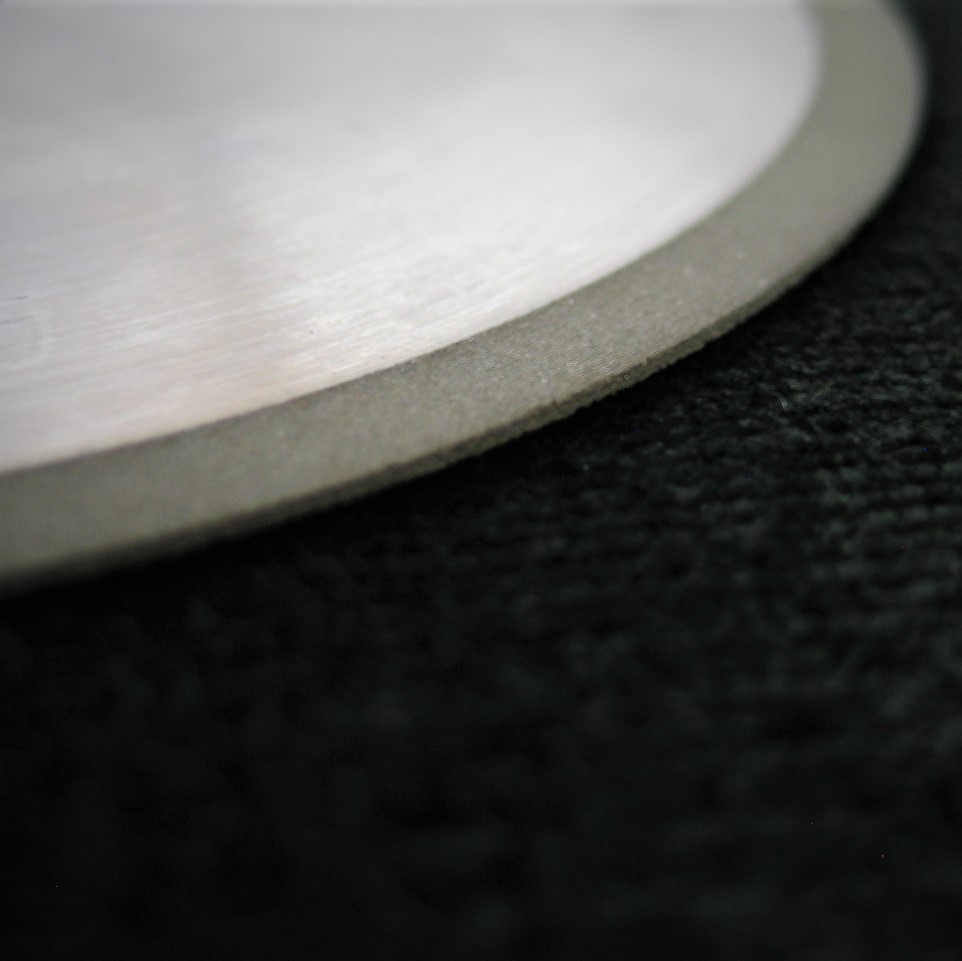
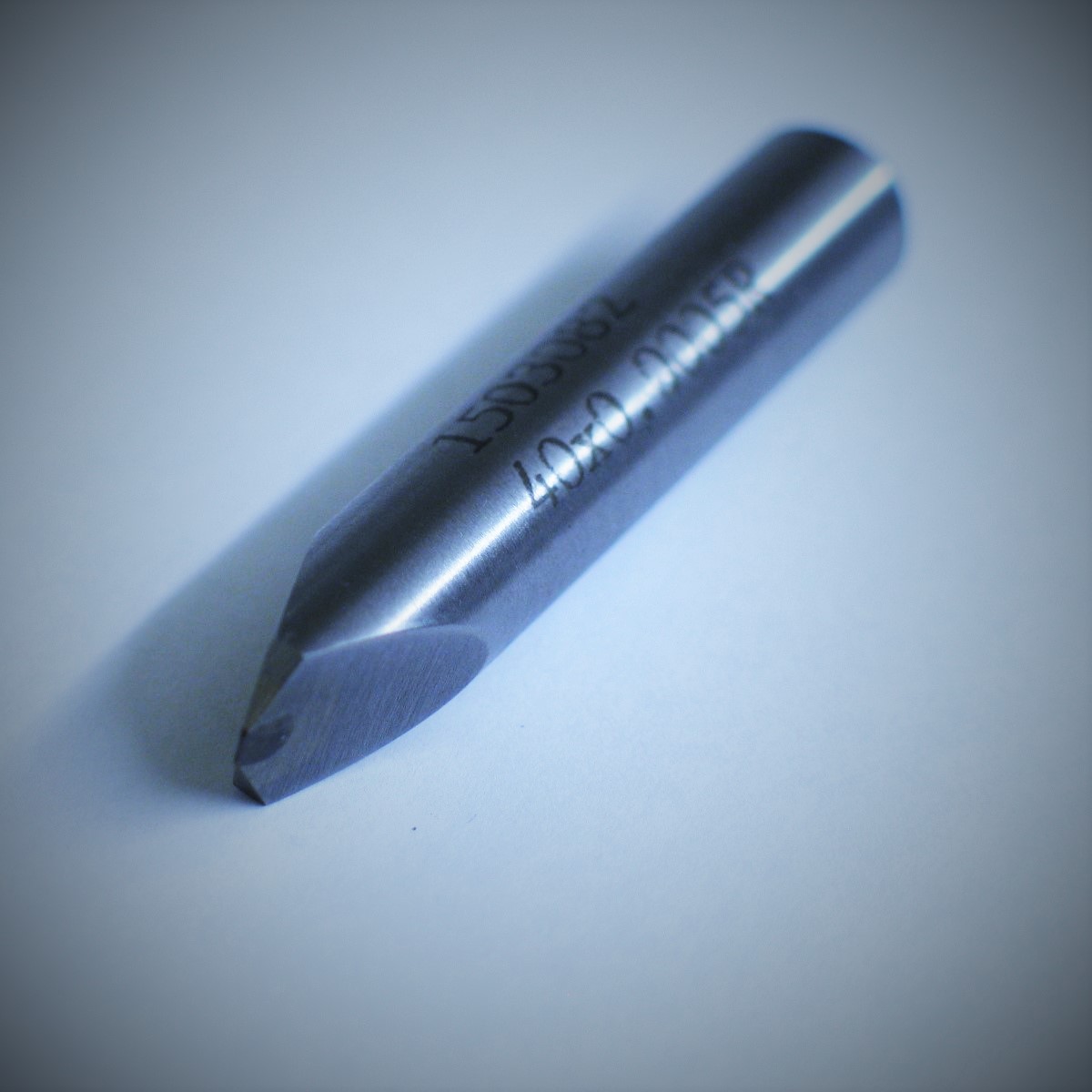 Diamond Chisel Point Tools
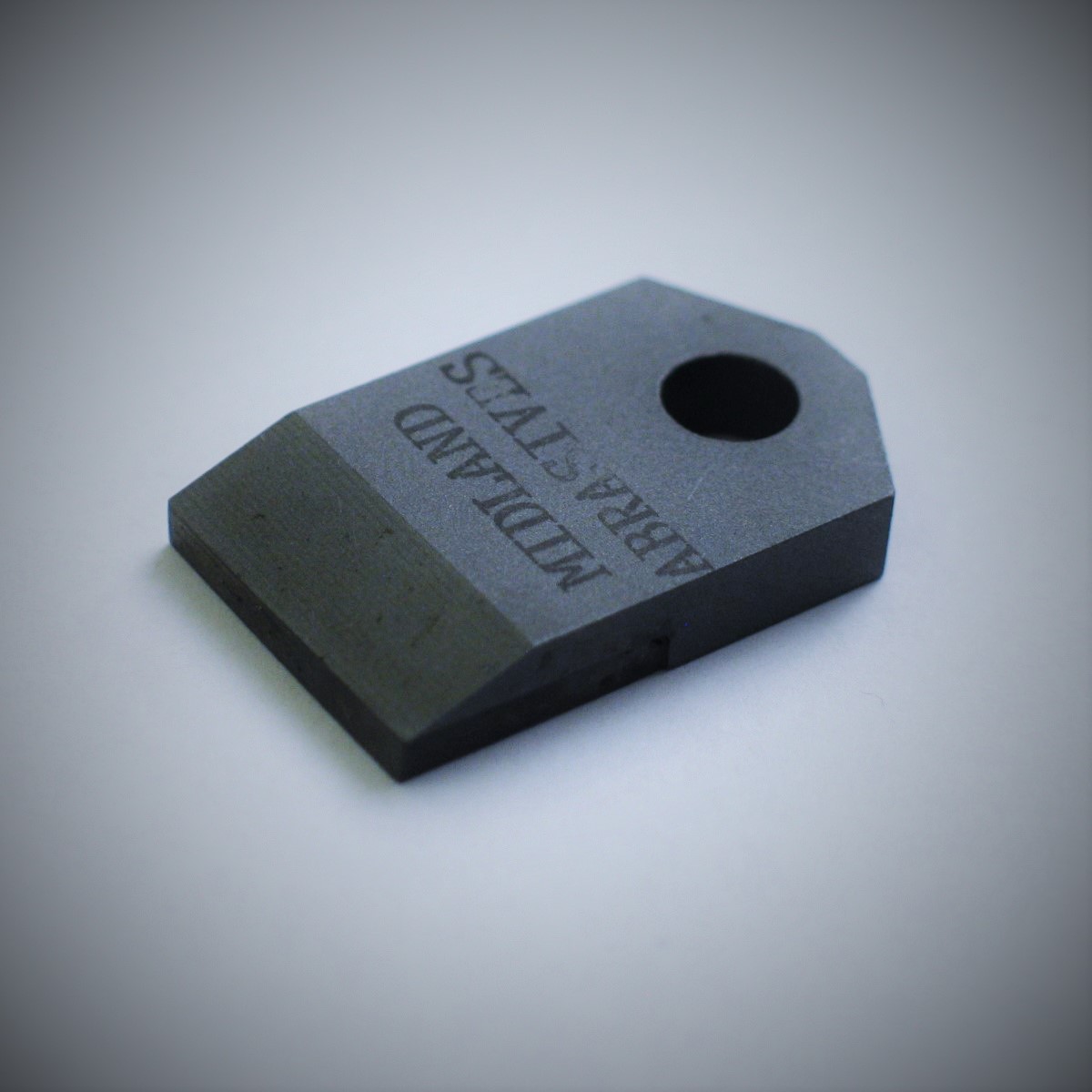 Diamond Blade Tools
 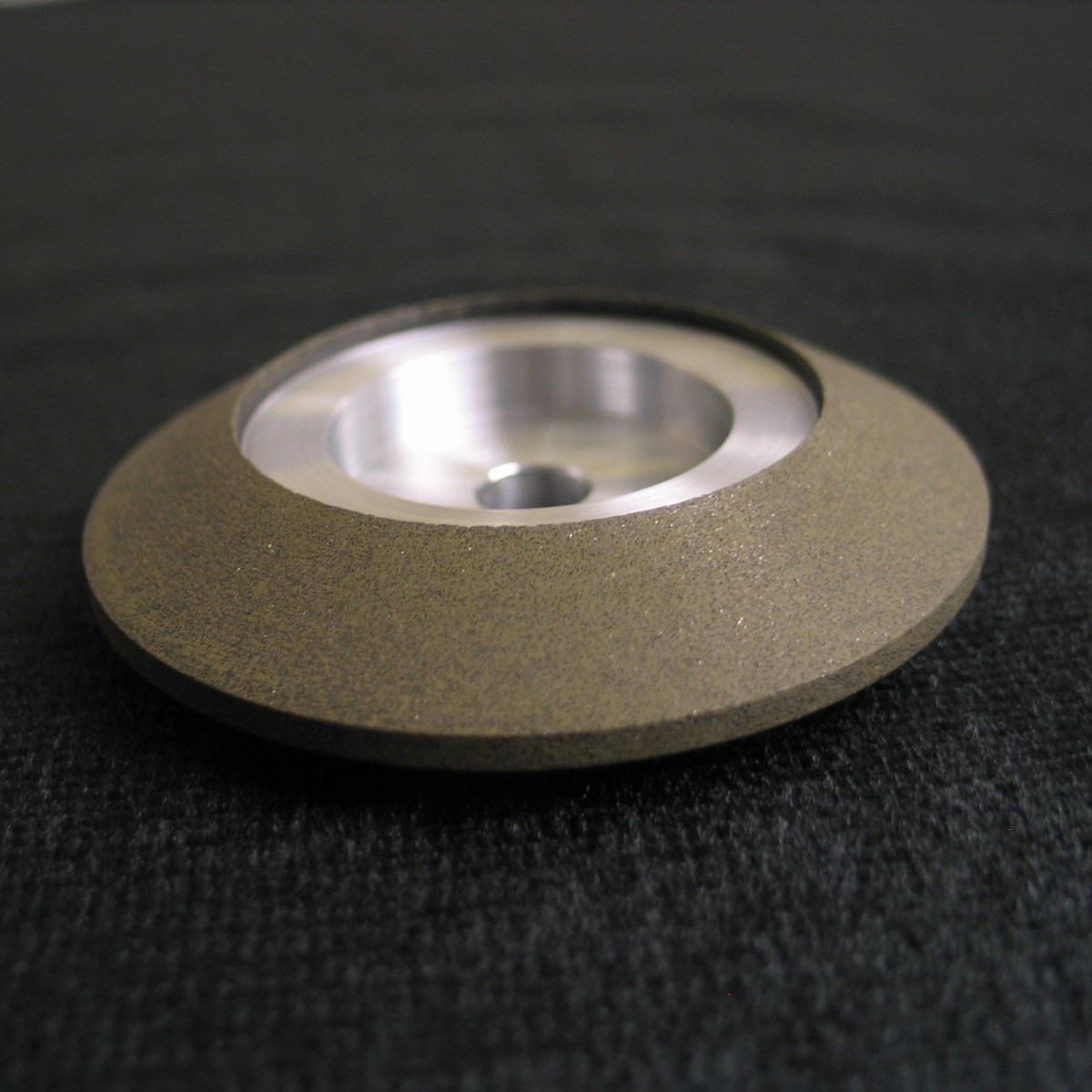 Diamond Wheels
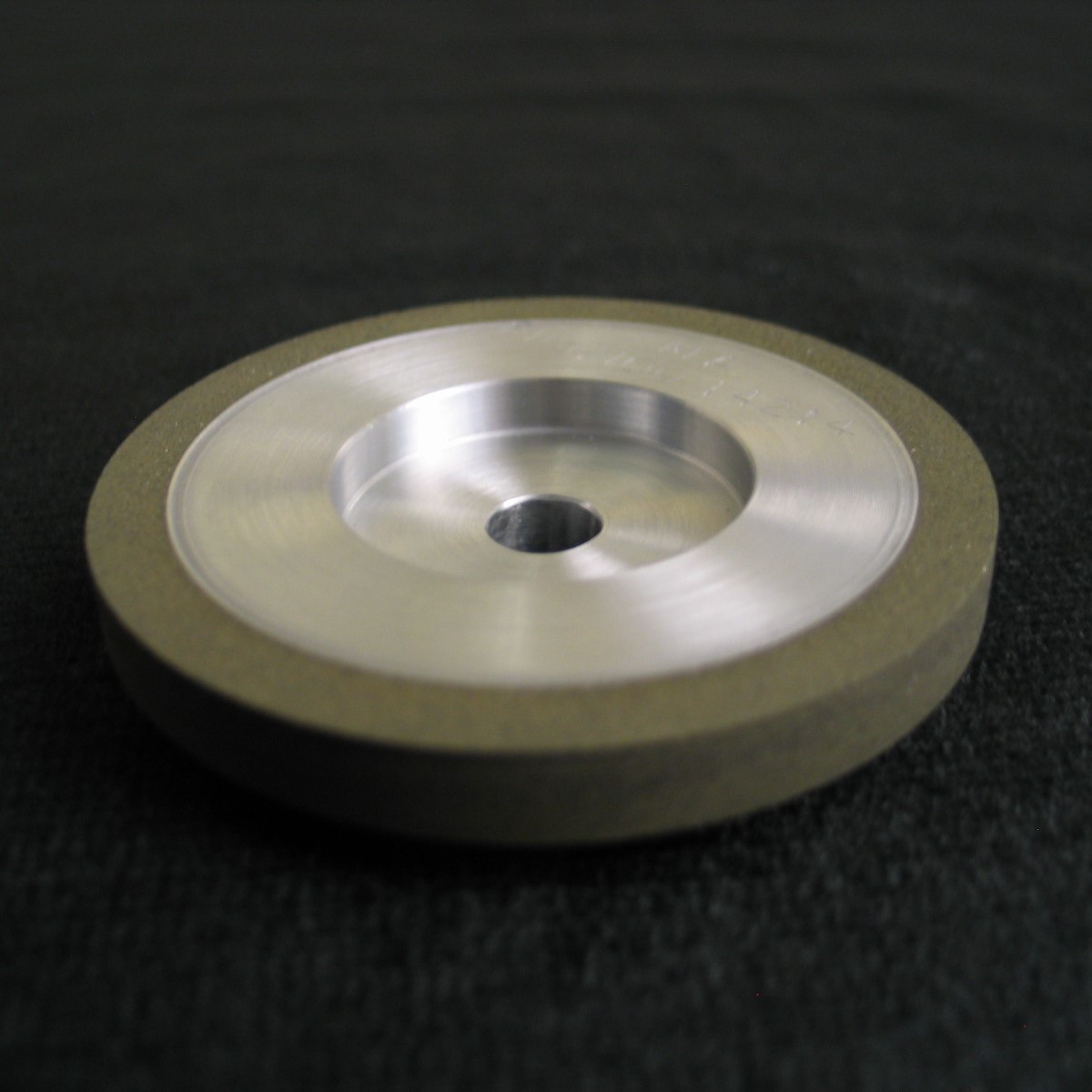 CBN Wheels
 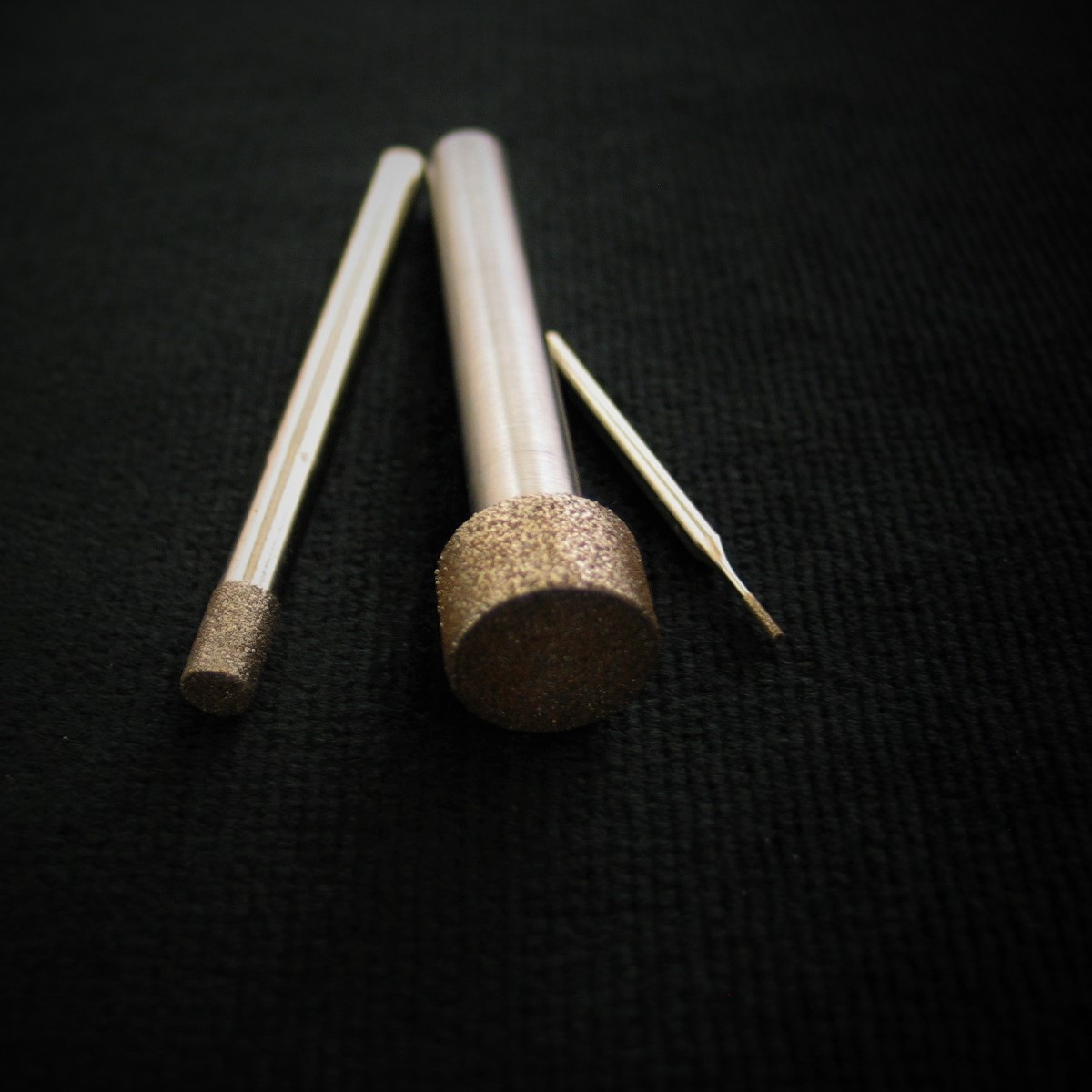 Electroplated Wheels & Pins
 Cluster Diamond Tools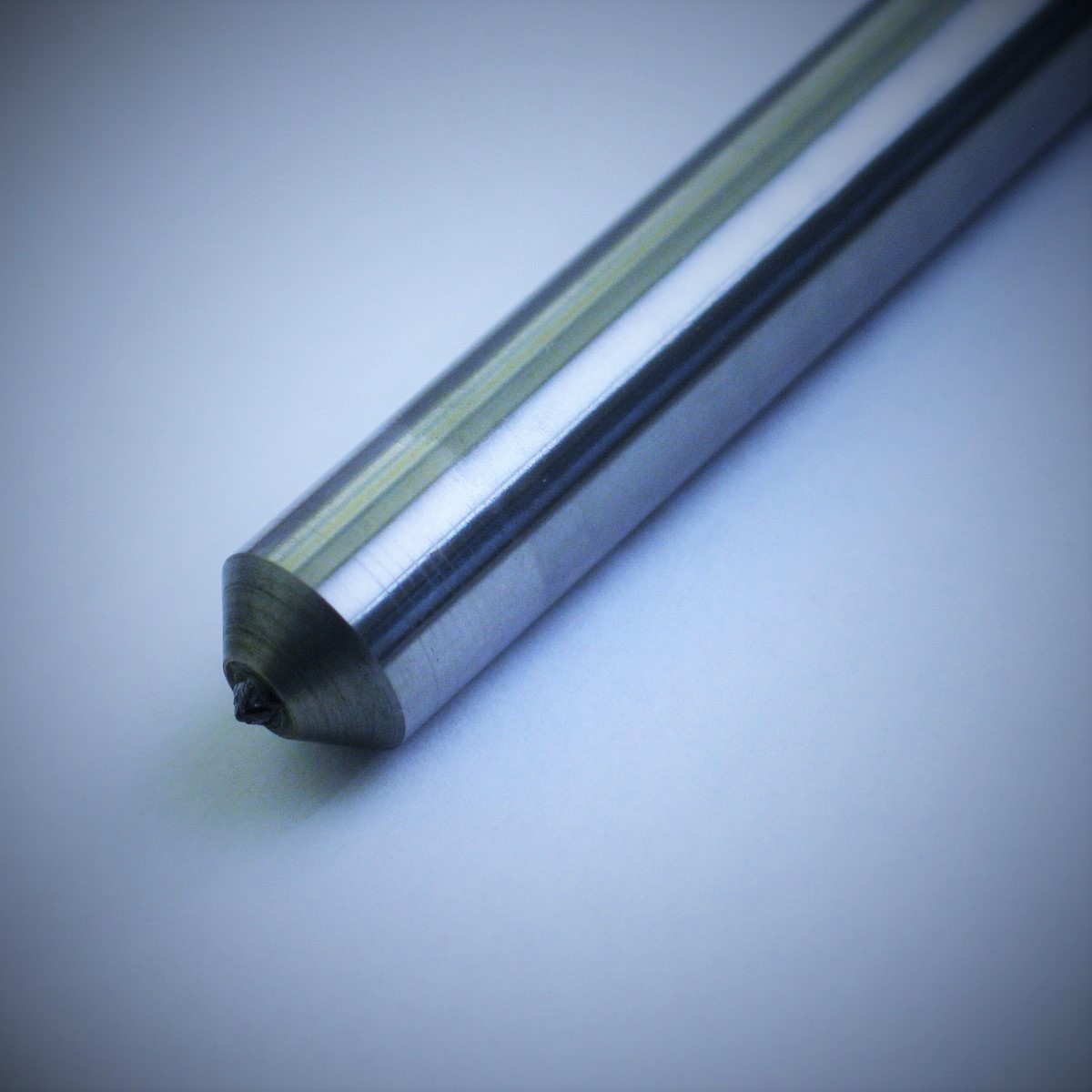
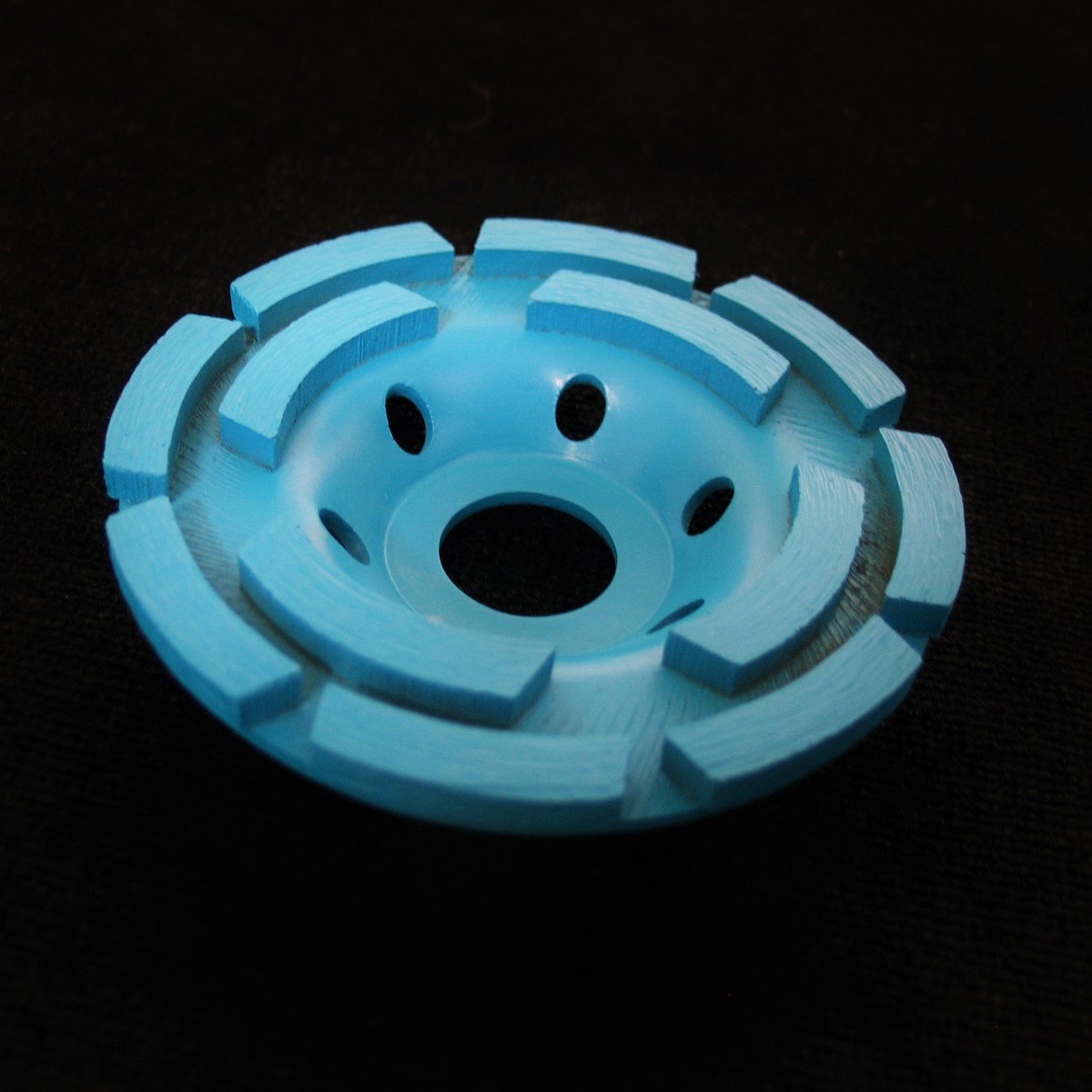
Quick Links
Categories